A Man used AI to Build His Dog a Cancer Vaccine
A remarkable story has emerged about a data engineer who used AI tools to create a personalized cancer vaccine for his dog — despite having no formal background in biology.
Paul Conyngham adopted Rosie, a staffy–shar pei mix, from a shelter in Sydney back in 2019. Years later, she developed an aggressive mast‑cell tumor. Standard treatments like surgery and chemotherapy slowed the disease but couldn’t stop it from returning.
Unwilling to accept that outcome, Conyngham turned to the tools he knew best: machine learning systems and AI assistants. What followed was an unconventional, expensive, and surprisingly successful attempt to design a custom therapy for Rosie.
🧬 How he approached it
Here’s a simplified breakdown of the process he followed:
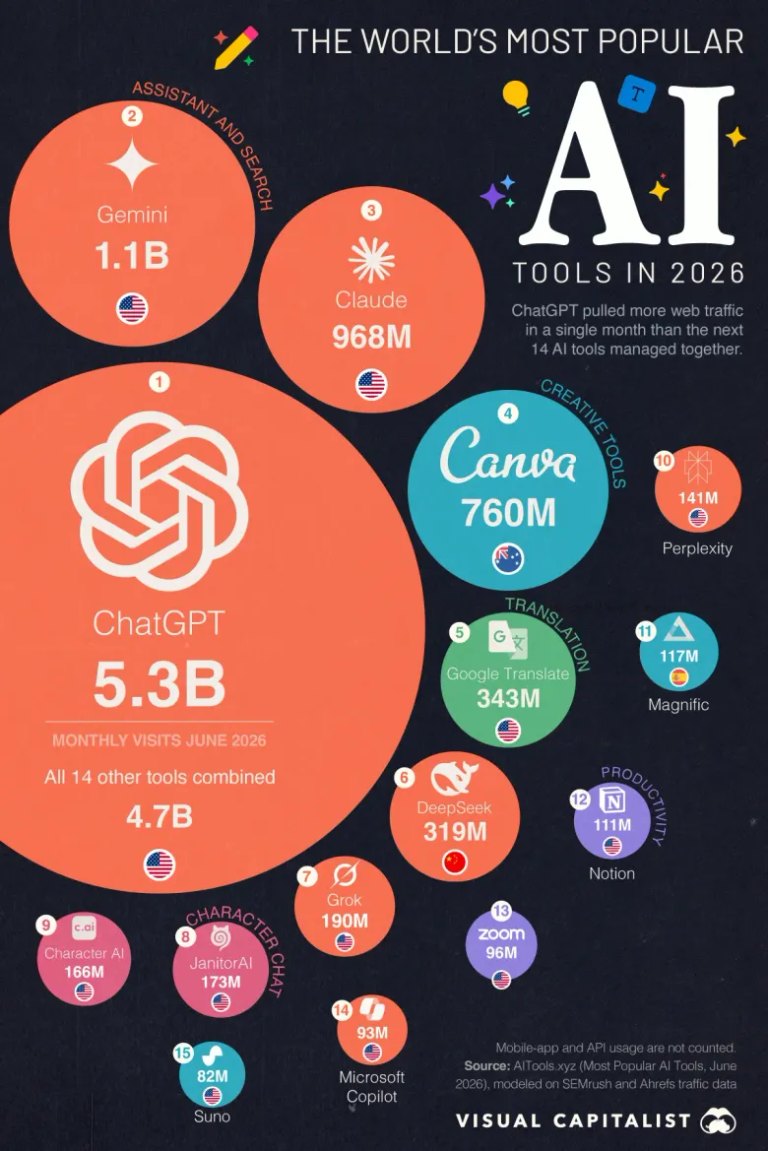
- After researching options with the help of ChatGPT, he learned about immunotherapy and contacted the Ramaciotti Centre for Genomics at UNSW.
- He paid for full genetic sequencing of Rosie’s tumor and processed the data himself to pinpoint the mutations driving the cancer.
- Using Google DeepMind’s AlphaFold, he generated structural models of the mutated proteins to identify possible therapeutic targets.
- When one potential treatment route fell through, he shifted to exploring mRNA‑based approaches.
- Scientists at UNSW’s RNA Institute used a short technical brief he provided to manufacture a personalized mRNA vaccine tailored to Rosie’s tumor profile.
- He then drove hours to get Rosie her first dose in December.
🐕 What happened next
Rosie’s tumor — previously the size of a tennis ball — shrank by roughly half after treatment. Her energy returned, and she began running and playing again.
Researchers who reviewed the case described it as extraordinary. One professor even questioned why similar personalized approaches aren’t already more widely available for human cancer patients.
🌍 Why this story matters
Rosie’s case demonstrates how accessible AI tools can dramatically accelerate complex scientific work:
- A non‑biologist used publicly available AI systems to complete tasks that traditionally require a full research team.
- mRNA cancer vaccines are already being explored in human clinical trials, and Rosie’s case is now contributing to ongoing research at UNSW.
- AlphaFold, which played a key role in the process, is rapidly becoming one of the most influential tools in modern biology.
- UNSW researchers have described Conyngham’s effort as a form of “citizen science,” showing how individuals outside academia can meaningfully contribute to medical innovation.
Rosie is believed to be the first dog to receive a fully personalized mRNA cancer vaccine — and her response suggests this approach could have far‑reaching implications.